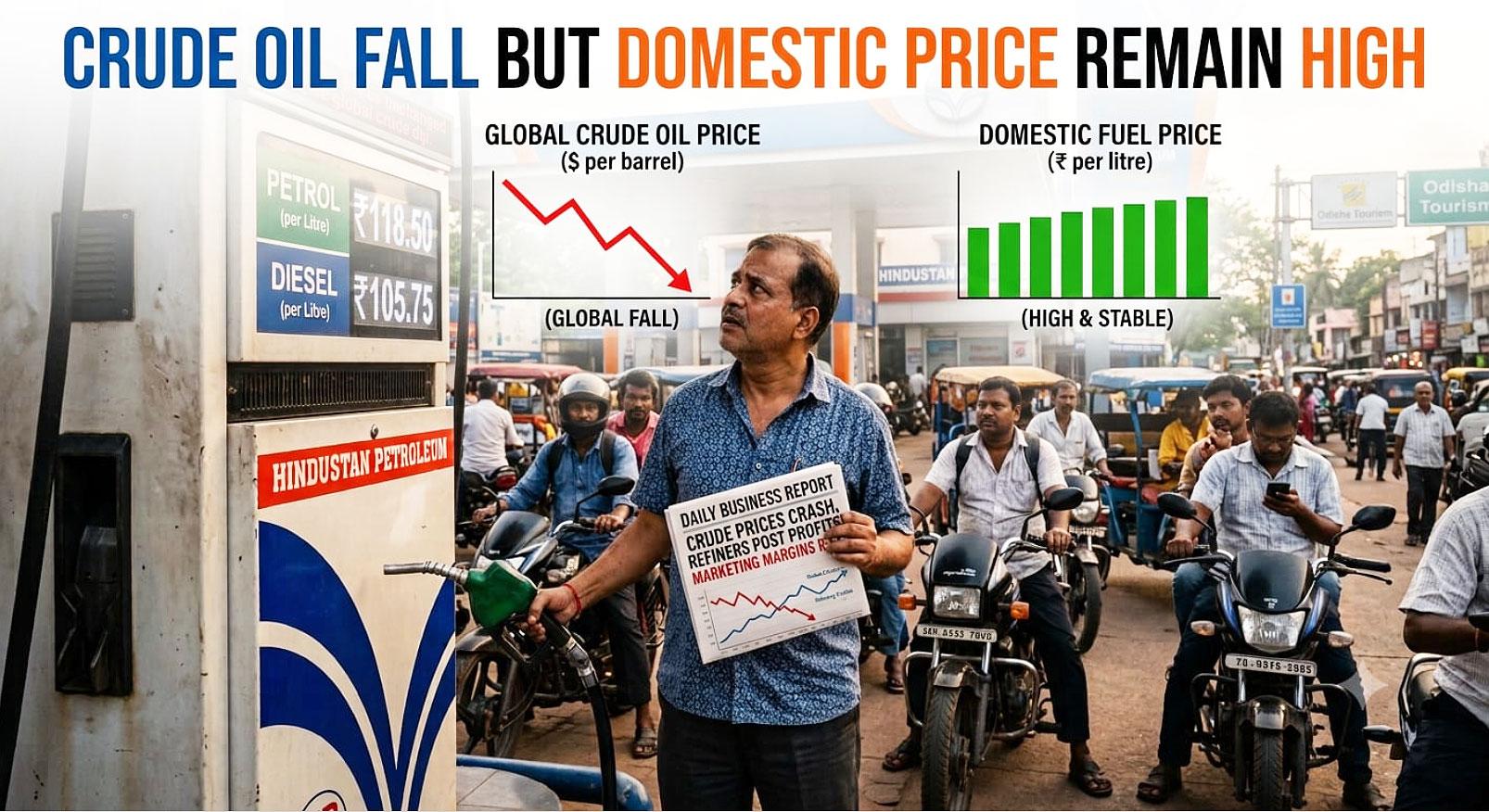
Crude oil fell nearly 4% toward $69 a barrel on Friday, the lowest since February 27, as shipping transits through the Strait of Hormuz accelerated. Volumes surged as vessels openly navigated the waterway following progress toward a US-Iran peace deal, restoring Persian Gulf exports to roughly 75% of prewar levels. Crucially, Saudi Arabia began loading tankers at its Ras Tanura terminal, signaling a major regional output ramp-up. Middle Eastern producers, including the United Arab Emirates, Kuwait, and Qatar, are boosting supply despite difficulties securing enough tankers to transport the additional crude. Iraq is also seeking a higher OPEC production quota to recoup the oil sales it lost during the war. Meanwhile, US President Donald Trump accused Iran of violating a ceasefire by shooting drones at ships in Hormuz. Crude oil recorded an over 10% weekly drop, the largest in a month.
Even with the fall in international crude prices, state-owned fuel retailers have not revised pump prices. According to industry data, petrol and diesel prices had earlier been increased by around Rs 7.50 per litre each when crude prices surged, but no reduction has yet been announced after the recent decline.
Industry officials also reportedly explained that domestic fuel prices are not linked to day-to-day fluctuations in global crude markets. Instead, revisions are generally based on the average price of crude over the previous fortnight or month. Consequently, they said, any benefit arising from the latest correction in crude prices could take some time to reach consumers, provided international prices remain lower for a sustained period.